
Your acrylic display case is looking dusty and you are not sure how to clean it without ruining it. Sound familiar? Many people grab whatever cleaner they have at home and start wiping — then wonder why the acrylic looks worse than before.
The truth is, acrylic is not the same as glass. You cannot clean it the same way. But do not worry — once you know the right method, it is actually very easy. You only need a few things from your kitchen, and your display case will look crystal clear again.
This guide shows you exactly how to clean acrylic display case step by step, using simple items you already have at home. No need to buy any special or expensive products.

Why Acrylic Needs Special Care
Acrylic looks like glass, but it is actually a type of plastic. It is lighter and stronger than glass — but it is also softer. This means it scratches much more easily.
Think of it like your phone screen. If you wipe your phone with a rough towel, you will see tiny scratches everywhere. Acrylic is the same.
Here is what can go wrong if you clean acrylic the wrong way:
- Micro-scratches — tiny lines that make the surface look cloudy or hazy
- Yellowing — some chemicals cause acrylic to turn yellow over time
- Crazing — tiny cracks that appear on the surface from alcohol or harsh chemicals
- Cloudiness — a foggy look that will not go away no matter how much you wipe
The good news? All of these problems are easy to avoid. You just need to use the right tools and the right method.
What You Need (All From Your Kitchen or Supermarket)
You do not need any special or expensive products. Everything on this list you can find at home, or buy for a few ringgit at any supermarket or household store.

- Microfiber cloth — the soft kind you use to clean glasses or phone screens. You can buy a pack of 3 for RM3-5 at any household store.
- Dish soap — the liquid soap you use to wash your plates every day. Any brand will do.
- Clean water — tap water is fine. Filtered water is even better because it has less minerals that can leave spots.
- Soft brush or feather duster — for removing dry dust before you start wiping.
- Small bucket or basin — to mix your soapy water in.
- (Optional) Baking soda — for stubborn stains or light scratches. You can find this in the baking section of any supermarket.
Important: Always use a fresh, clean microfiber cloth. If you use the same cloth you used for other cleaning, leftover dirt or chemicals on the cloth can scratch or damage your acrylic.
What You Must NEVER Use on Acrylic
This is just as important as knowing what to use. Many common household cleaners will permanently damage acrylic. Here is what you must avoid:
- Glass cleaner spray — contains ammonia, which causes permanent yellowing and cloudiness on acrylic. Glass cleaner is only for glass.
- Vinegar — too acidic. It will make your acrylic look cloudy over time, and the damage cannot be reversed.
- Alcohol or hand sanitizer — causes tiny cracks called "crazing". The cracks start small but spread and get worse over time.
- Paper towels or tissue paper — feels soft to your hands, but the fibres are actually rough enough to scratch acrylic. Never use tissue on acrylic.
- Old t-shirt or regular towel — most cotton towels have rough fibres that leave micro-scratches. Only microfiber is safe.
- Newspaper — the ink and rough paper will scratch and stain your acrylic.
| Product | Safe for Glass? | Safe for Acrylic? | What Happens |
|---|---|---|---|
| Glass cleaner spray | Yes | NO | Yellowing, cloudiness |
| Vinegar | Yes | NO | Permanent cloudiness |
| Alcohol / sanitizer | Yes | NO | Crazing (tiny cracks) |
| Paper towels / tissue | Okay | NO | Micro-scratches |
| Dish soap + water | Yes | YES | Safe and effective |
| Microfiber cloth | Yes | YES | No scratches, lint-free |
Step-by-Step: How to Clean Your Acrylic Display Case
Follow these 8 simple steps. The whole process takes about 5-10 minutes.
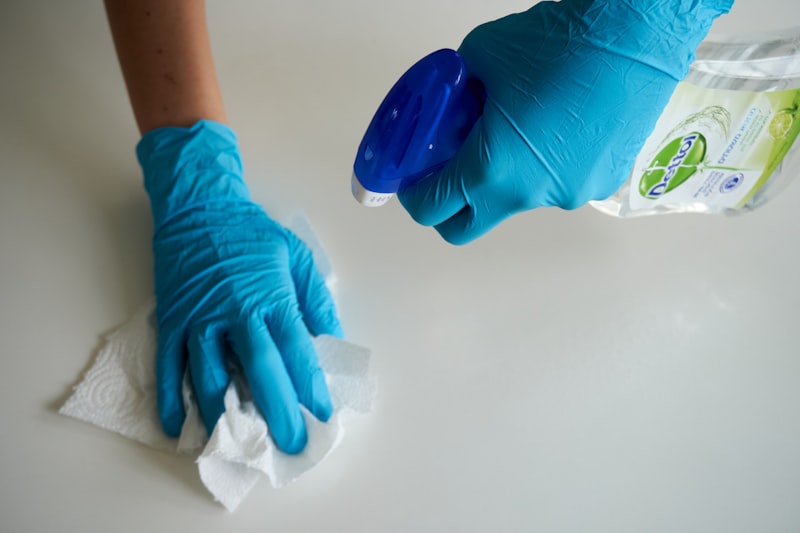
Step 1: Remove Everything Inside
Take out all your figurines, collectibles, or decorations from the display case. Put them on a clean towel on your table. This way you can clean every corner of the case properly.
Step 2: Blow or Brush Off Loose Dust
Use a feather duster or soft brush to gently remove loose dust from all surfaces. Never wipe dry dust with a cloth — the dust particles act like sandpaper and will scratch the acrylic when you drag them across the surface.
Step 3: Mix Your Soapy Water
Put warm water in a small basin. Add just 2-3 drops of dish soap. You do not need much — too much soap leaves a filmy residue. Mix gently until you see a tiny bit of foam.
Step 4: Wet Your Microfiber Cloth
Dip your microfiber cloth in the soapy water and wring it out until it is damp — not dripping wet. You want the cloth just moist enough to pick up dirt without leaving puddles of water on the acrylic.
Need help with how to clean acrylic display case?
Get a free quote from UMAKE — custom signage designed and manufactured in Malaysia.
Step 5: Wipe Gently in One Direction
Wipe the acrylic using long, straight strokes from top to bottom. Do not scrub in circles. Circular wiping pushes dirt around and creates swirl marks. Straight strokes push the dirt in one direction and off the surface.
Step 6: Rinse Your Cloth Often
After a few strokes, fold your cloth to a clean side, or rinse it in clean water. If you keep wiping with a dirty cloth, you are just spreading dirt around — and that dirt will scratch.
Step 7: Let It Air Dry
This is the step most people skip, but it is important. Do NOT wipe the acrylic dry with a cloth. Let it air dry naturally. When you wipe acrylic dry, it creates static electricity — and static attracts dust like a magnet. Your freshly cleaned case will be dusty again within minutes.
Step 8: Final Polish (Optional)
Once the acrylic is completely dry (wait about 10-15 minutes), you can lightly buff it with a dry, clean microfiber cloth. Use very gentle pressure. This gives the acrylic a nice shine without creating static.
Quick summary: Dust first, then soapy water + microfiber, straight strokes, air dry, gentle buff. That is all you need!
Pro Tips for Malaysian Weather
Living in Malaysia means dealing with humidity, tropical dust, and strong sunlight. Here are some tips specifically for our weather:
1. Clean in an Air-Conditioned Room
If possible, move your display case to an air-conditioned room before cleaning. Less humidity means less dust floating in the air, so your freshly cleaned case stays cleaner longer.
2. Humidity Makes Dust Stick Faster
In Malaysia's humid weather, dust sticks to surfaces faster than in dry climates. Plan to clean your display case every 2-3 weeks to keep it looking good. If your case is near an open window or balcony, you might need to clean it more often.
3. Keep Away From Direct Sunlight
Acrylic can turn yellow if it is exposed to strong direct sunlight for a long time. If your display case is near a window, consider moving it to a spot that gets indirect light instead. This is especially important in Malaysia where sunlight is very strong throughout the year.
4. Store Microfiber Cloths in Ziplock Bags
Keep your cleaning microfiber cloths in a ziplock bag or sealed container between uses. In our humid weather, cloths left in the open can collect moisture and mildew — and you do not want to wipe that on your acrylic.
How to Remove Light Scratches From Acrylic
Already have some scratches? If they are light surface scratches, you can try the baking soda method. This works for scratches you can see but cannot feel with your fingernail.

- Mix baking soda and water — put 2 tablespoons of baking soda in a small bowl. Add water slowly and mix until you get a thick paste (like toothpaste texture).
- Apply the paste to the scratch — use a clean microfiber cloth to gently apply the paste directly on the scratched area.
- Rub very gently in straight lines — follow the direction of the scratch. Do not press hard. Let the paste do the work.
- Rinse with clean water — use a damp cloth to wipe away all the paste. Make sure no baking soda residue is left.
- Air dry and check — let it dry and inspect the scratch. Repeat the process if the scratch is still visible. It may take 2-3 rounds for deeper light scratches.
When Baking Soda Will Not Work
If you can feel the scratch with your fingernail, it is too deep for the baking soda method. Deep scratches trap dust and dirt inside them, making your display case look worse over time. In this case, it is better to replace the display case with a new one.
How Often Should You Clean Your Acrylic Display Case?
You do not need to clean your display case every day. In fact, cleaning too often can cause more scratches from the repeated wiping. Here is a simple guide:
| Where Your Display Case Is | How Often to Clean |
|---|---|
| Living room with air conditioning | Every 2-3 weeks |
| Open shelf near window or balcony | Every 1-2 weeks |
| Shop or retail display counter | Once a week |
| Closed cabinet, rarely touched | Once a month |
| Kitchen or food stall | Every few days |
Quick tip: Between full cleanings, just use a feather duster to lightly dust the surface. This removes loose dust without risking scratches from wiping.
Frequently Asked Questions
1. Can I use wet wipes to clean acrylic?
No. Most wet wipes contain alcohol or chemicals that will damage acrylic over time. Some wet wipes also have rough fibres that scratch the surface. Use a damp microfiber cloth with a little dish soap instead.
2. Why does my acrylic display case look cloudy after cleaning?
This usually happens because you used the wrong cleaning product — most commonly glass cleaner spray or vinegar. These chemicals cause permanent cloudiness on acrylic. For light cloudiness, try the baking soda method above. For severe cloudiness, the damage may not be reversible.
3. Can I use cooking oil to polish acrylic?
No. Cooking oil attracts dust and leaves a sticky, greasy film on the surface. It will make your display case look dirtier faster. Just use clean water and a microfiber cloth for a natural shine.
4. Is it okay to clean acrylic with just plain water?
Yes! For light dust, plain water and a microfiber cloth works perfectly. You only need to add dish soap when there are fingerprints, sticky marks, or heavier dirt on the surface.
5. How do I stop dust from coming back so fast?
The main trick is to let your acrylic air dry after cleaning instead of wiping it dry. Wiping creates static electricity, and static attracts dust particles like a magnet. Also, keep your display case in an air-conditioned area if possible — aircon filters reduce the amount of dust in the air.
6. Can I put my acrylic display case in the dishwasher?
Never. The high heat in a dishwasher will warp, bend, and crack the acrylic. Always hand wash with lukewarm water only. Hot water above 60 degrees Celsius can also cause warping.
7. What is the difference between cleaning acrylic and glass display cases?
Glass is much harder than acrylic, so it can handle rougher cloths and stronger chemicals. Acrylic needs gentler treatment — microfiber only, no ammonia, no alcohol. However, acrylic is lighter, safer (does not shatter), and looks just as clear when properly maintained. For a detailed comparison, read our acrylic vs glass display case guide.
Need a New Display Case? Shop UMAKE
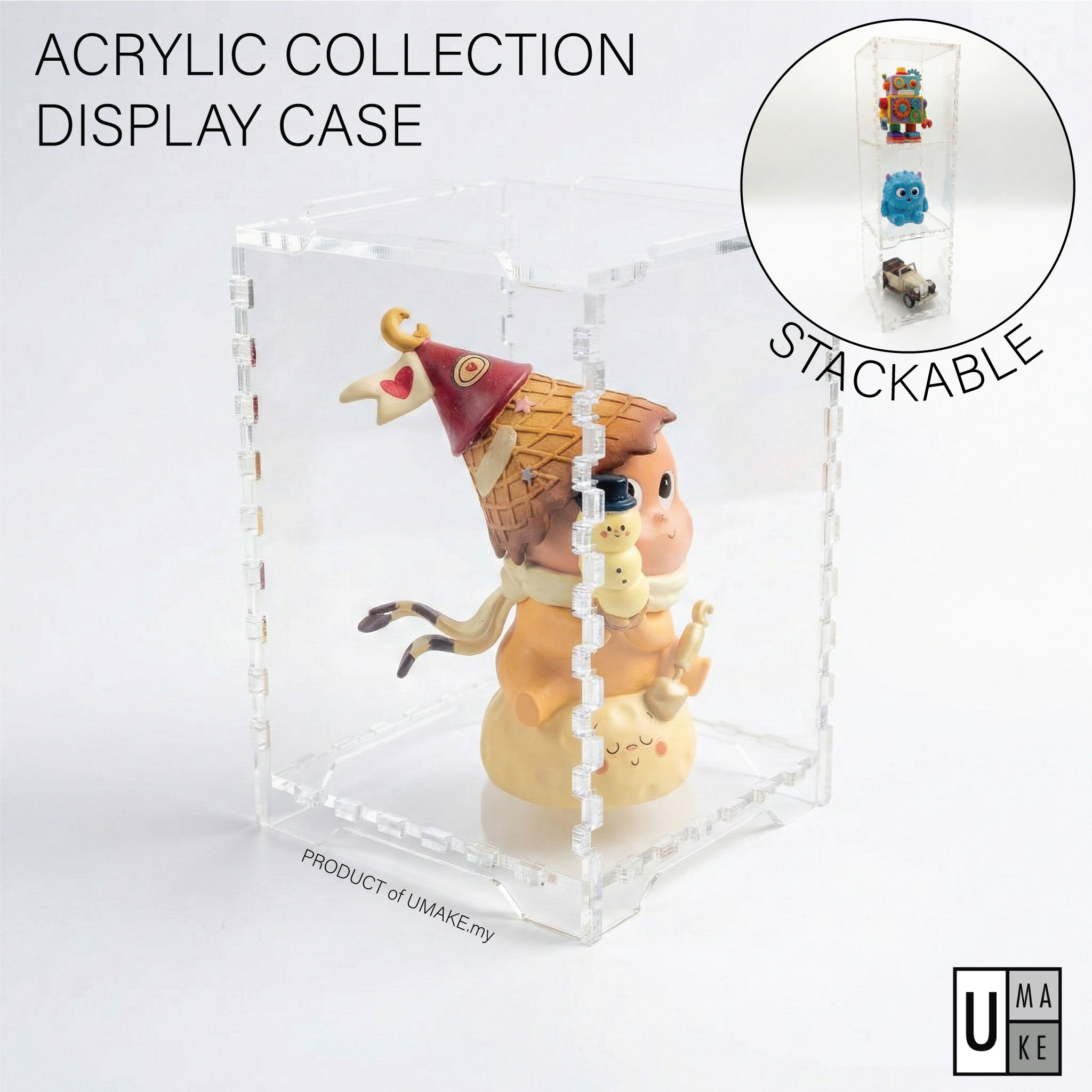
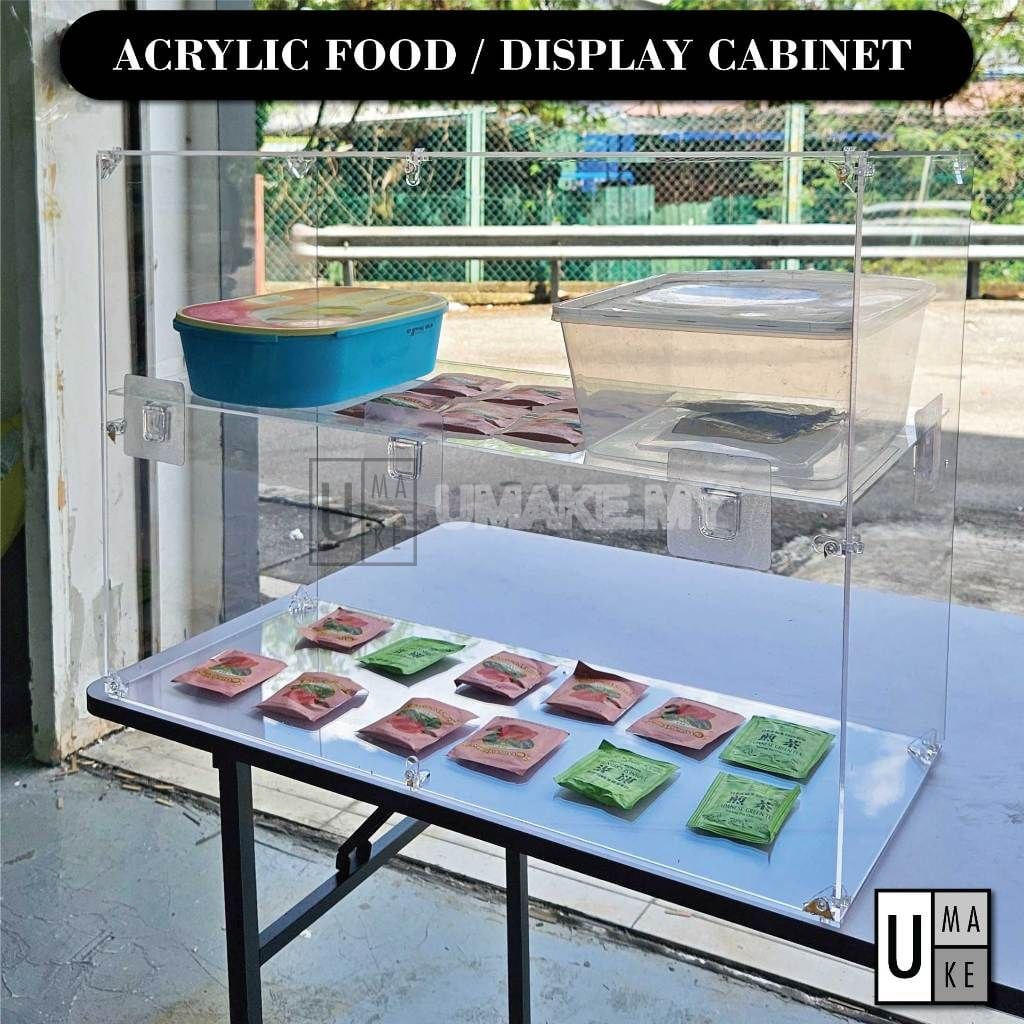
If your current display case has too many scratches, cracks, or yellowing that cannot be fixed, it might be time for a new one. UMAKE manufactures custom acrylic display cases right here in Malaysia — dustproof, stackable, and made to your size.
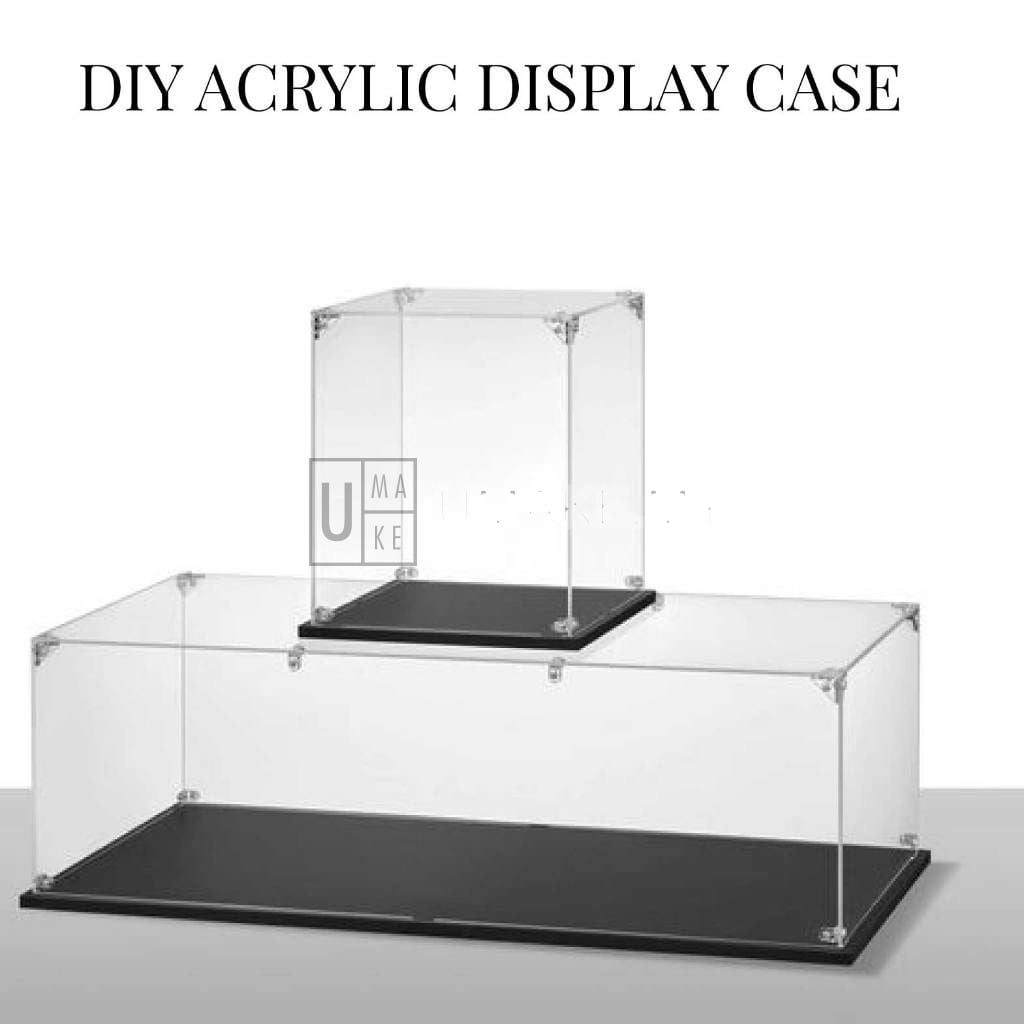
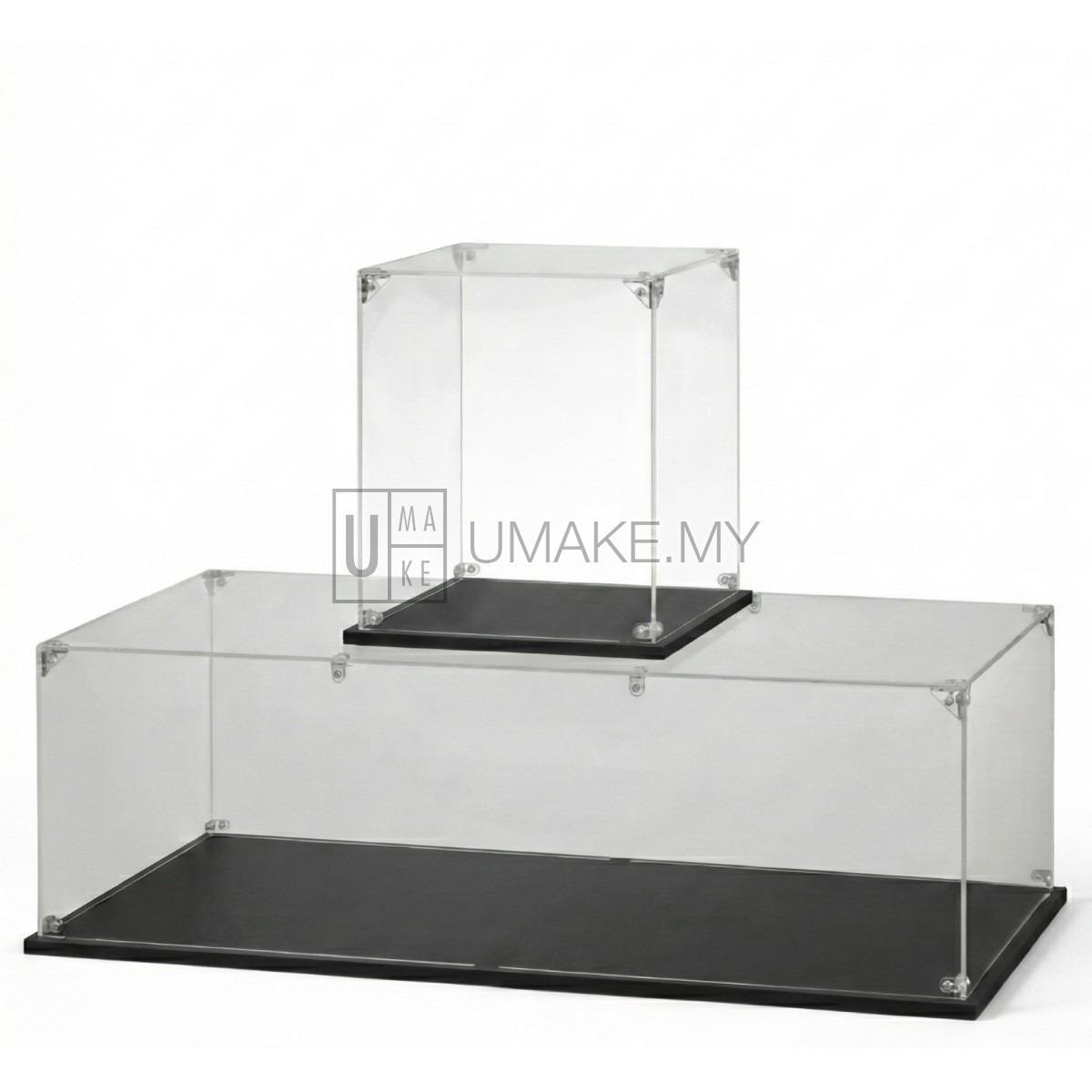
Here are some of our most popular acrylic display cases:


Related Articles You Might Like
- Acrylic Display Case Malaysia: Custom Sizes, Dustproof and Stackable Options
- Acrylic vs Glass Display Case: Which Is More Durable?
- Best Display Cases for Collectible Items in Malaysia
- How to Clean Display Case Without Streaks
- Best Display Case for LEGO in Malaysia
- Display Case Ideas for Shops and Stores


