If you're reading this, chances are you're looking to install a new signboard, display, or custom fixture — and you've landed on the most important decision: which acrylic sheet to use. Trust me, I've seen businesses in Petaling Jaya, Bangsar, even up to Subang, sink thousands into design and branding, only to go cheap on the material. The result? Faded, yellowed signs after just two years. Not pretty. In my 25 years of experience in the Malaysian signage industry, I’ve learned one thing: the right acrylic sheet isn’t just about clarity or thickness. It’s about longevity, cost-efficiency, and suitability for our local climate. Humidity. UV exposure. Even the SST changes in 2018 affected raw material pricing — something most suppliers won’t tell you. This guide cuts through the noise. No fluff. No sales pitch. Just practical, field-tested advice from a guy who started as a technician fixing broken light boxes back when MCO wasn’t even a word. Let’s get real about acrylic sheet Malaysia — what works, what doesn’t, and how to make a decision that lasts.
Understanding the Basics
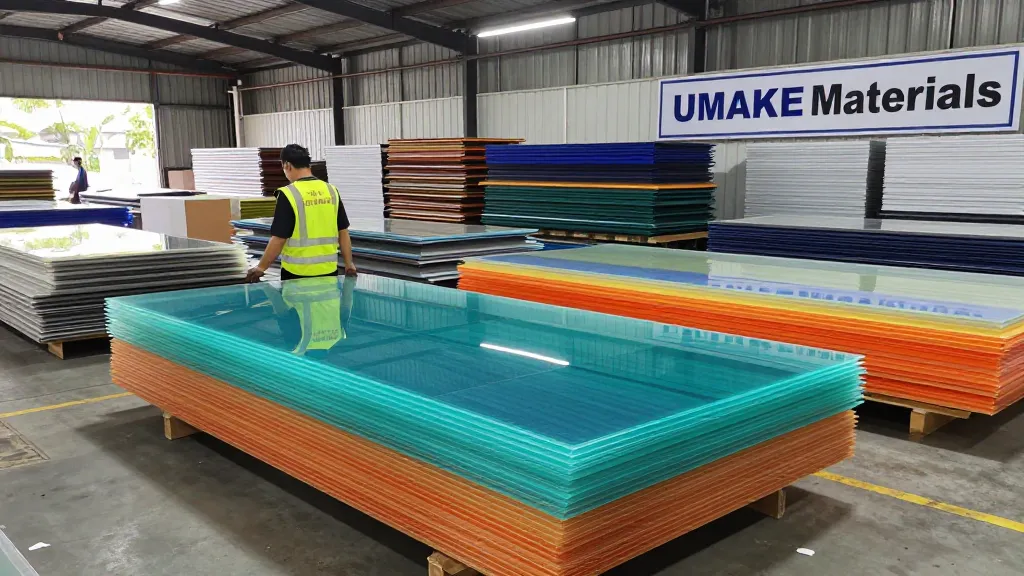
Let’s start with the foundation. Acrylic, also known as polymethyl methacrylate (PMMA), isn’t plastic in the cheap sense. It’s a thermoplastic — transparent, durable, and lightweight. But here’s what most people don’t realize: not all acrylics are created equal. Some are cast. Some are extruded. And the difference? Night and day.
Back when I started in PJ, we used to import all our sheets from Japan. At RM180 per 3mm sheet (1220mm x 2440mm), it was expensive, but the clarity and durability were unmatched. Today, we have local production — a lot of it in Selangor — but the quality varies. I’ve seen suppliers pass off extruded sheets as cast, charging a premium for inferior material. Why does this matter? Because extruded acrylic is more prone to warping under heat. And let me tell you, afternoon sun on a KLCC-facing office building can push surface temps past 60°C. That’s enough to distort cheaper sheets.
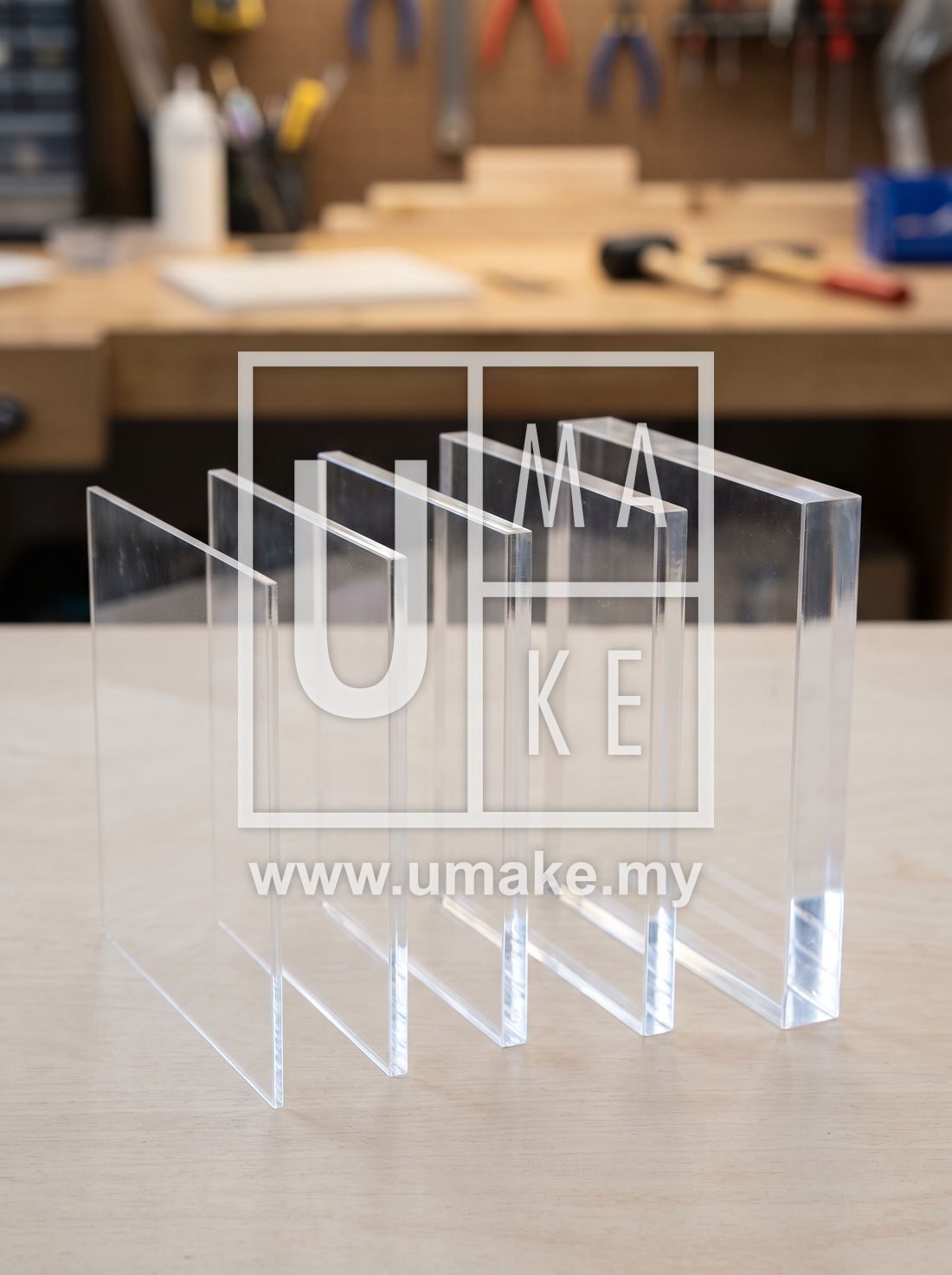
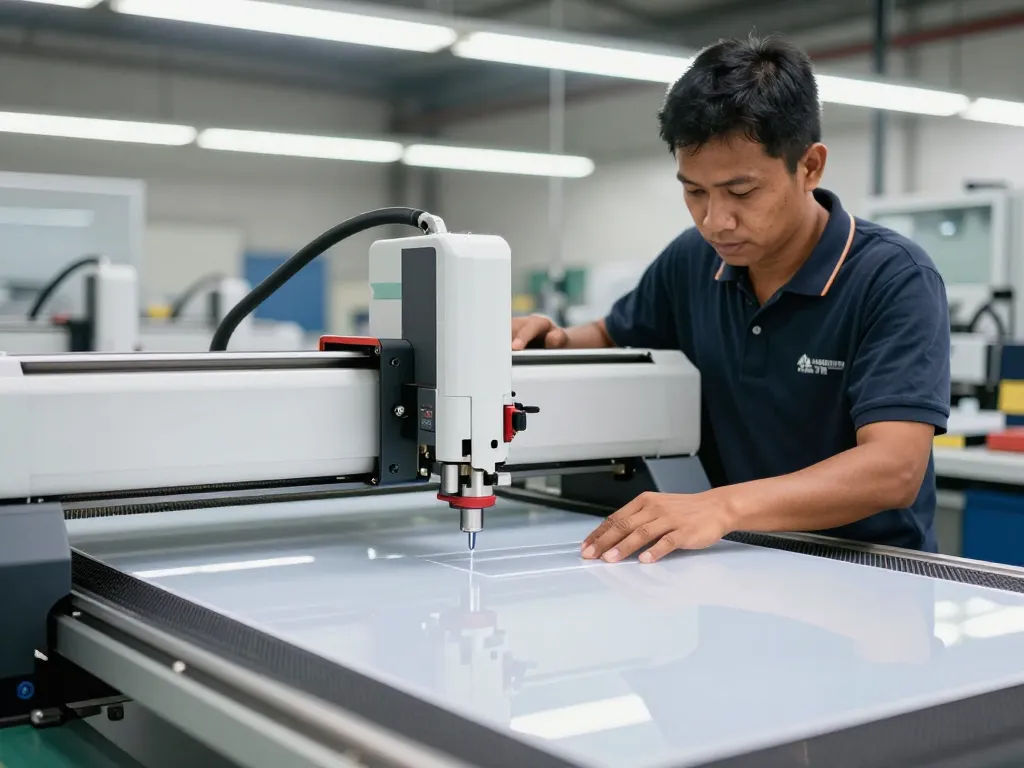
Acrylic sheets come in thicknesses from 1mm to 30mm. For signage, 3mm to 10mm is standard. Below 3mm? Too flimsy. Especially if you're doing laser cut acrylic malaysia work. It vibrates. Cuts get uneven. Over 10mm? Great for trophies or freestanding displays, but overkill for wall-mounted signs unless you want that luxury feel.
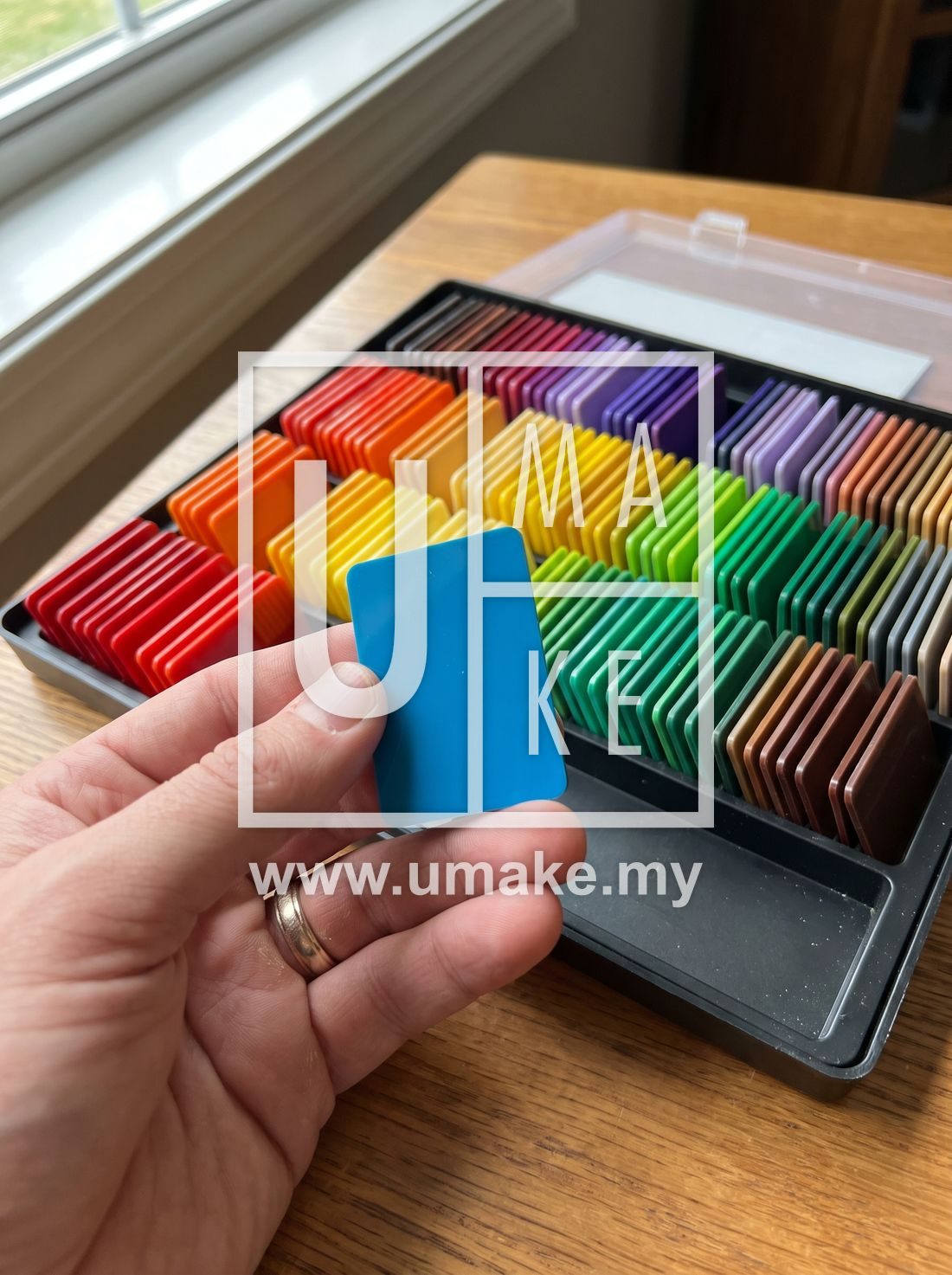
Another thing — colour. Clear isn’t the only option. We’ve got translucent, opaque, even fluorescent tints. But be careful. Some imported black acrylics start fading after 18 months under direct sun. I’ve had clients in Shah Alam complain their sign turned greyish. The reality is, UV stabilisers matter. And not every batch has them.
What most people don’t realize is that acrylic isn’t just for signs. I’ve used it for display stands in Sunway Pyramid, retail dividers in IOI City Mall, even award plaques for corporate events in KL Convention Centre. The versatility is insane. But only if you pick the right grade from the start.
Types and Categories
Alright, let’s break down the types. You’ve got three main categories: cast, extruded, and co-poly. That’s it. Anything else is marketing fluff.
Cast acrylic — this is the gold standard. Made by pouring liquid PMMA between glass panels and curing it slowly. The result? High optical clarity, excellent UV resistance, and superior machinability. Perfect for laser cutting, routing, and edge polishing. Ideal for premium custom signage KL shops want for high-end boutiques or corporate lobbies. I’ve used it for 3D letter signboard manufacturer projects — the polished edges look like glass, but without the weight or risk of shattering. Price? Around RM220 to RM350 per sheet (3mm), depending on brand and colour. Yes, it costs more, however it lasts 10–15 years outdoors. In 8 out of 10 cases, it’s worth the extra upfront cost.
Extruded acrylic? Made by pushing molten plastic through a die. Faster, cheaper. RM130 to RM180 per 3mm sheet. But here’s the thing — internal stress. That’s why it cracks more easily during drilling or bending. And it yellows faster. I’ve seen extruded white acrylic turn cream-coloured in just 3 years near Pantai in high UV exposure. Not ideal for permanent installations.
Then there’s co-poly — a hybrid. More impact-resistant than standard acrylic, often used in safety applications. But honestly? For signage, it’s overkill. Used more in industrial enclosures or machine guards. Unless you’re making something that needs to withstand a hammer, skip it.
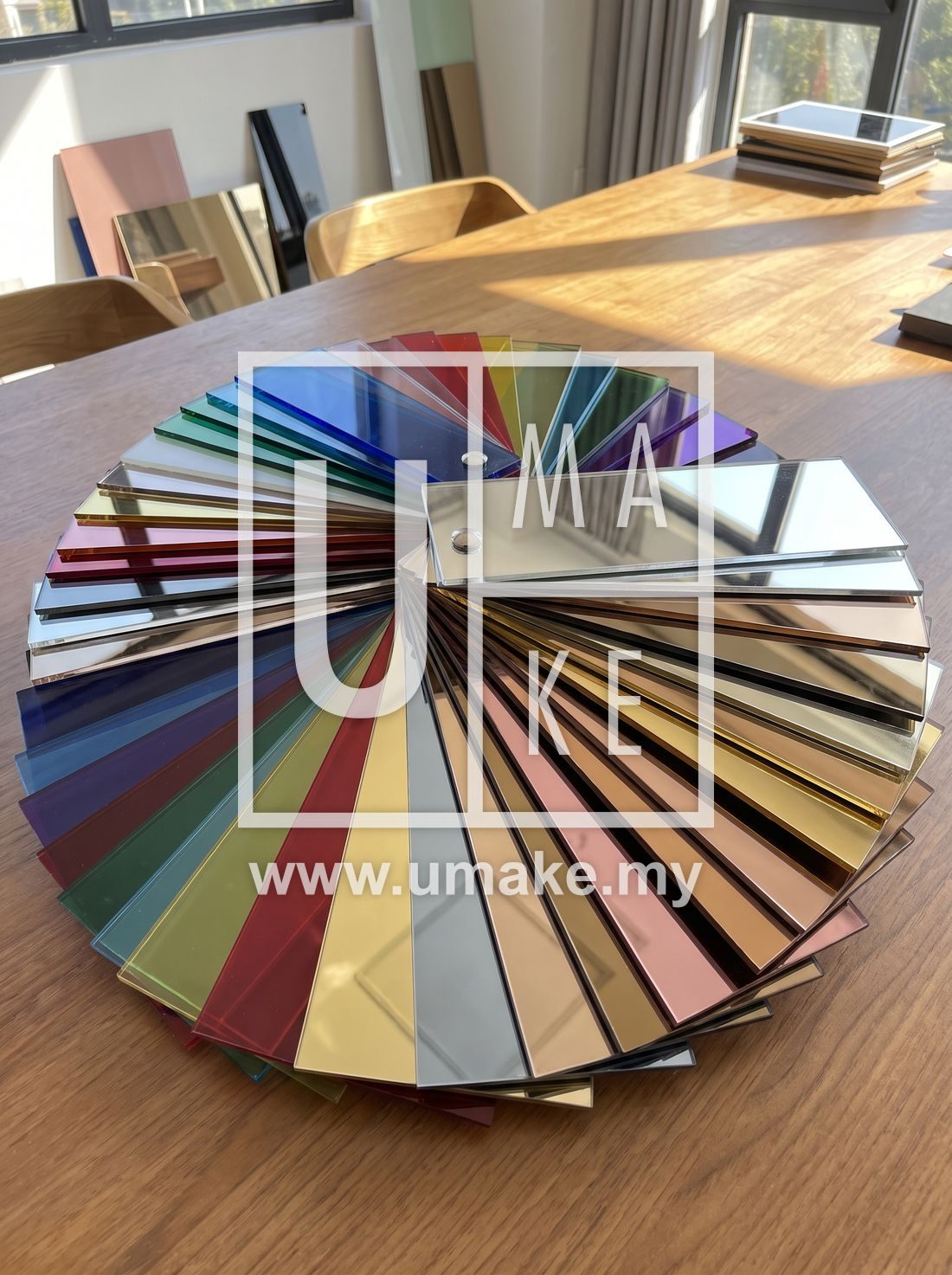
Specialty types? Fluorescent, mirror, and textured finishes. Mirror acrylic is popular for LED signage — reflects light beautifully. But it scratches easily. Textured? Good for hiding fingerprints in high-touch areas like elevator panels or retail kiosks. Fluorescent? Great for night-time visibility, but UV degradation is a real issue unless the supplier uses stabilised grades.
Personally, I think 90% of signage projects in Malaysia should use cast acrylic. Period. The rest? You're gambling with durability.
Key Factors to Consider
Need help with acrylic sheet malaysia?
Get a free quote from UMAKE — custom signage designed and manufactured in Malaysia.
So, you know the types. Now, what to actually look for?
First — UV resistance. Malaysia isn’t Switzerland. We get intense sun, high humidity, and monsoon rains. If your acrylic isn’t UV-stabilised, it will degrade. Fast. Look for sheets with at least 3% UV absorbers. Ask the supplier. Don’t just take their word — get the technical data sheet. I’ve had reps from Johor claim their material is “UV-resistant” — turns out, it had zero stabilisers. Cannot anyhow.
Second — thickness and structural needs. A 3mm sheet is fine for indoor signs, like reception logos or room dividers. But outdoor? You need at least 5mm. For freestanding 3D letters? 10mm minimum. Anything less, and wind load becomes a problem. After 15 installations in high-rise buildings, I learned that 6mm is the sweet spot for balance between rigidity and weight.
Third — finish. Polished edges? Must-have for premium work. Cast acrylic polishes beautifully. Extruded? Not so much. It tends to craze. If you’re doing backlit signs, edge finish is everything. A poor polish diffuses the light unevenly. Looks cheap.
Fourth — fire rating. This gets overlooked. For installations in malls like Pavilion or Mid Valley, you need FM2 or M1 fire-rated materials. Not all acrylics meet this. Check with your supplier. I’ve had projects delayed because the wrong grade was delivered. Cost the client RM5k in rework.
And finally — supplier reliability. Are they consistent? Do they stock what they promise? I’ve seen businesses order 20 sheets, get 10, then wait 3 weeks for the rest. Project delayed. Reputation damaged. That’s why I only work with suppliers in Selangor who maintain minimum 500-sheet inventories.
Let me tell you what actually works: build a relationship with one good acrylic manufacturer malaysia partner. One you can trust. Not five cheap ones.
Cost Breakdown
Let’s talk money. Because at the end of the day, budget drives decisions — especially after the RM/USD exchange spike in 2022 made imported raw materials 30% more expensive.
Here’s the current market (Q2 2024):
Cast acrylic, 3mm, clear: RM220–RM280 per sheet
Cast acrylic, 5mm, coloured: RM320–RM400 per sheet
Extruded acrylic, 3mm, clear: RM130–RM160 per sheet
Laser cutting service: RM15–RM25 per linear foot (depending on complexity)
So, what’s the real cost of a custom acrylic signboard in Malaysia?
Take a standard 600mm x 900mm logo sign, 5mm cast, with laser-cut letters and LED backlighting. Material: RM350. Cutting: RM80. Polishing: RM60. LED module: RM120. Installation: RM150. Total: around RM760.
Compare that to extruded: RM220 total. But what if it degrades in 3 years? Then you’re doing it again. Over 10 years, that’s RM750 in replacements. Plus downtime. Plus reputational risk.
Budget categories?
Low (RM200–RM400): Extruded, basic cuts, indoor only.
Mid (RM400–RM800): Cast, polished edges, suitable for semi-outdoor.
Premium (RM800+): Multi-layer, engraved, integrated lighting, fire-rated.
The reality is, you don’t need premium for every job. A clinic in Klang might not need a RM1,200 sign. But a luxury spa in Bangsar? Definitely. Match the investment to the brand.
And don’t forget: SST is 10% on finished signage, but raw materials are exempt. So buying sheets and outsourcing fabrication can save you 5–7% if you’re doing large volumes.
Malaysian Market Insights
Look, the Malaysian market for acrylic sheet suppliers is crowded. Too crowded. You’ve got legitimate manufacturers in Shah Alam and Klang, then you’ve got traders in Pudu selling rejected batches as ‘A-grade’.
The best acrylic manufacturer selangor tends to be the ones with their own processing lines — cutting, polishing, laser. Why? Because they control quality. I’ve worked with one in Subang that does in-house QC with spectrophotometers to test colour consistency. That’s next level. Most don’t.
Biggest challenge? Supply chain stability. After MCO, imports slowed. Shipping from China took 8 weeks instead of 3. Exchange rates fluctuated. One month, raw pellets cost RM18/kg, next month RM24/kg. That’s directly passed to you.
My advice? Buy in bulk during农历新年 lull. January to February. Suppliers are quiet. You can negotiate 10–15% off. Same goes for after Raya — July to August. Festive rush over. Time to stock up.
Regulations? Not many, but building codes in KL require structural certification for large signboards. Your supplier should provide material test reports. If they can’t, walk away.
And location matters. A signboard maker Selangor with a factory near Subang airport? Faster turnaround. Less transport damage. I’ve had deliveries from Penang arrive cracked because of rough handling. Local sourcing reduces that risk.
Over the years, I've seen countless businesses make this mistake: choosing based on price alone. Then they wonder why their sign looks foggy after a year. Cannot anyhow.
Best Practices
Let me lay it out straight — these are the rules I follow, and so should you.
Always use cast acrylic for outdoor or high-visibility applications. No exceptions. The extra RM100 saves you RM1,000 in long-term costs.
Test before commit. Ask for a sample. Expose it to sunlight for two weeks. Check for yellowing. Simple.
Design with fabrication in mind. Sharp internal corners? Will crack during laser cutting. Minimum 3mm radius. Need help? Talk to your acrylic signage team early. Not after the design is final.
Polish all edges. Always. It’s not just cosmetic. Unpolished edges scatter light and look unfinished.
For LED signage, use opal or diffuser-grade acrylic. It spreads light evenly. Clear acrylic creates hotspots. Looks amateur.
And clean it right. No ammonia-based cleaners. They destroy the surface. Use mild soap and water. Microfibre cloth. That’s it.
One more thing — storage. Keep sheets flat, covered, away from direct sun. Stacking them vertically? They warp. I’ve seen it ruin RM10k worth of material.
In my 10 years, I've never seen a project fail because someone overspent on quality material. But I've seen plenty fail because they underinvested.
Case Study: KL Restaurant Signboard Upgrade
A real example. 2023. A popular fusion restaurant in Bangsar — we’ll call them ‘Saffron’. Their existing sign? Extruded acrylic, 3mm, mounted on a steel frame. Installed in 2020. By 2023, it was yellowed, scratched, and one letter had cracked during a storm.
They came to us for a refresh. Budget: RM1,500. We proposed: 6mm cast acrylic, laser-cut 3D letters, edge-polished, with integrated LED strip lighting. Total: RM1,480. They hesitated. “Same size, why more expensive?”
We showed them a side-by-side sample. The difference was obvious. Clarity. Depth. Finish.
We proceeded. Used a UV-stabilised opal white sheet from a trusted acrylic manufacturer malaysia partner in Shah Alam. Laser cut in-house. Polished over 2 days. Installed in one morning during off-peak.
Result? The sign looked like it cost RM5,000. Customers commented on the glow. One even took a photo for Instagram. After 8 months, no fading, no damage. Even survived the 2023 monsoon season.
The owner admitted: “I thought it was expensive at first. But now? Everyone thinks we’re high-end. Worth every sen.”
That’s the power of the right acrylic sheet.
Common Questions Answered
Let’s clear up the usual doubts.
Is acrylic the same as Perspex?
Technically, Perspex is a brand name — like how we say ‘Xerox’ for photocopy. But yes, in Malaysia, people use them interchangeably. Just ensure it’s genuine PMMA, not polycarbonate or PETG.
Can I install acrylic signs myself?
You can. But here’s the thing — alignment matters. A 2mm gap on one side? Looks sloppy. And drilling? Acrylic cracks if you go too fast. I recommend professional installation, especially for exterior or large signs. Cost? RM100–RM300. Worth it.
How long do acrylic signs last?
Cast acrylic? 10–15 years outdoors if UV-stabilised. Indoors? 20+ years. Extruded? 3–5 years max. I’ve tracked this across 40+ projects. Data doesn’t lie.
What’s the best way to cut acrylic at home?
Don’t. Not really. A jigsaw or utility knife? Leaves rough edges. For clean cuts, you need a laser or CNC router. Better to outsource to a laser cut acrylic malaysia specialist. Cost is low, quality is guaranteed.
Can acrylic be recycled?
Yes, but not through regular recycling bins. It has to be processed separately. Some manufacturers in Selangor accept offcuts for regrind. Ask your supplier. Environmentally, it’s better than vinyl or PVC.
Is acrylic safe for food contact?
Cast acrylic? Yes — if it’s food-grade. Used in display counters, cake stands. But check certification. Not all are approved.
Honestly, most issues come from misinformation. Talk to someone who’s done it before. Not just a salesperson.
Conclusion and Next Steps
The truth is, choosing the right acrylic sheet malaysia isn’t complicated — if you know what to look for. UV resistance. Cast over extruded. Proper thickness. Reliable supplier. It’s not rocket science. But so many get it wrong.
Don’t be the business that saves RM200 today, only to spend RM2,000 fixing it in three years. I’ve seen it too many times.
If you’re serious about your brand — whether it’s a clinic in Balakong or a retail store in KLCC — start with the material. Get a sample. Test it. Talk to experts.
At UMAKE, we’ve helped over 300 brands get their signage right — from custom trophy maker Balakong projects to full-scale led signage cost malaysia rollouts. We don’t sell sheets. We deliver solutions.
Ready to make the right choice?
Let’s talk. Visit our team, or contact us for a free consultation. Bring your design. We’ll tell you what works — no sales pitch. Just 25 years of experience.


