Okay, let's be real. Choosing the right custom signage KL for your business can feel like navigating a maze, especially when you’re just starting out. When I first opened my cafe in PJ (that’s Petaling Jaya, for those not familiar), I was completely clueless. Signboard design? Signboard price? Acrylic sheet supplier Malaysia? It was all Greek to me. I made so many mistakes initially, and my budget was only RM3,000 but. I'm Sarah, by the way, and I'm here to share my experience and help you avoid the same pitfalls.
This guide is specifically for local business owners like you and me, navigating the custom signage KL scene. I’ll break down everything from understanding the basics to figuring out the costs, finding reliable suppliers, and making sure you’re getting the best bang for your buck. Consider this the guide I wish I had back then.
Understanding the Basics of Signage
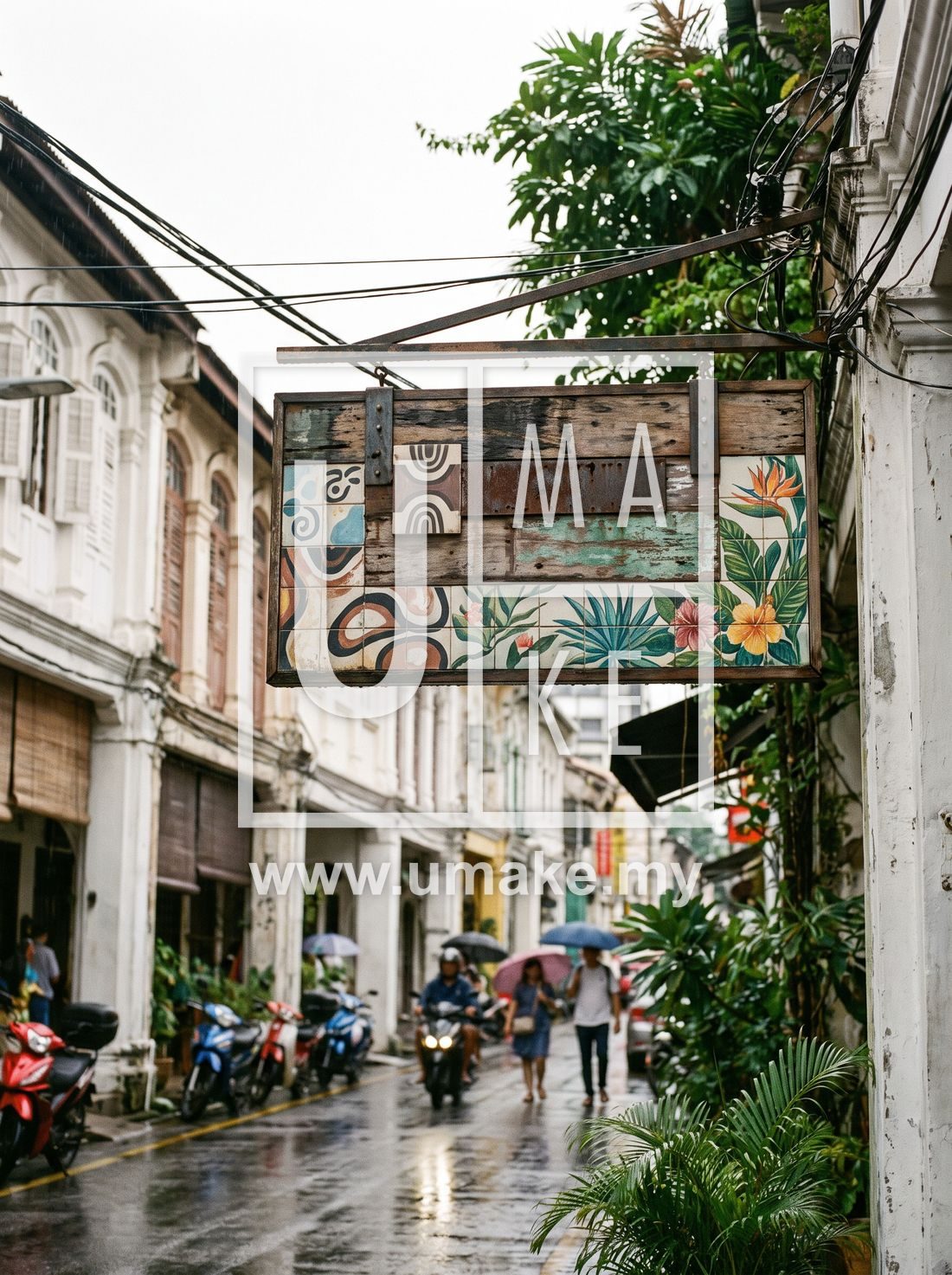
Before you even start thinking about design or materials, it's crucial to grasp the fundamental purpose of your shop signage. Your business signage is more than just a pretty face; it's a silent salesperson, a 24/7 brand ambassador, and, crucially, a wayfinder for your customers. Think of it as the first impression you make, even before someone steps through your door.
There are a few key elements to consider. First, visibility. Can people actually see your sign? This means thinking about size, placement, and lighting. Second, readability. Is the font clear and easy to read, even from a distance? Third, brand consistency. Does your signage reflect your brand's overall look and feel? A bright pink sign might not be the best fit for a high-end law firm, right?
Then there's the issue of permits. Here's what I wish I knew back then: getting the necessary permits for your signage in KL can be a real headache. Different areas have different regulations, and navigating the DBKL (Dewan Bandaraya Kuala Lumpur) bureaucracy can be time-consuming, lah! Make sure you factor in the time and cost of permits into your overall budget.
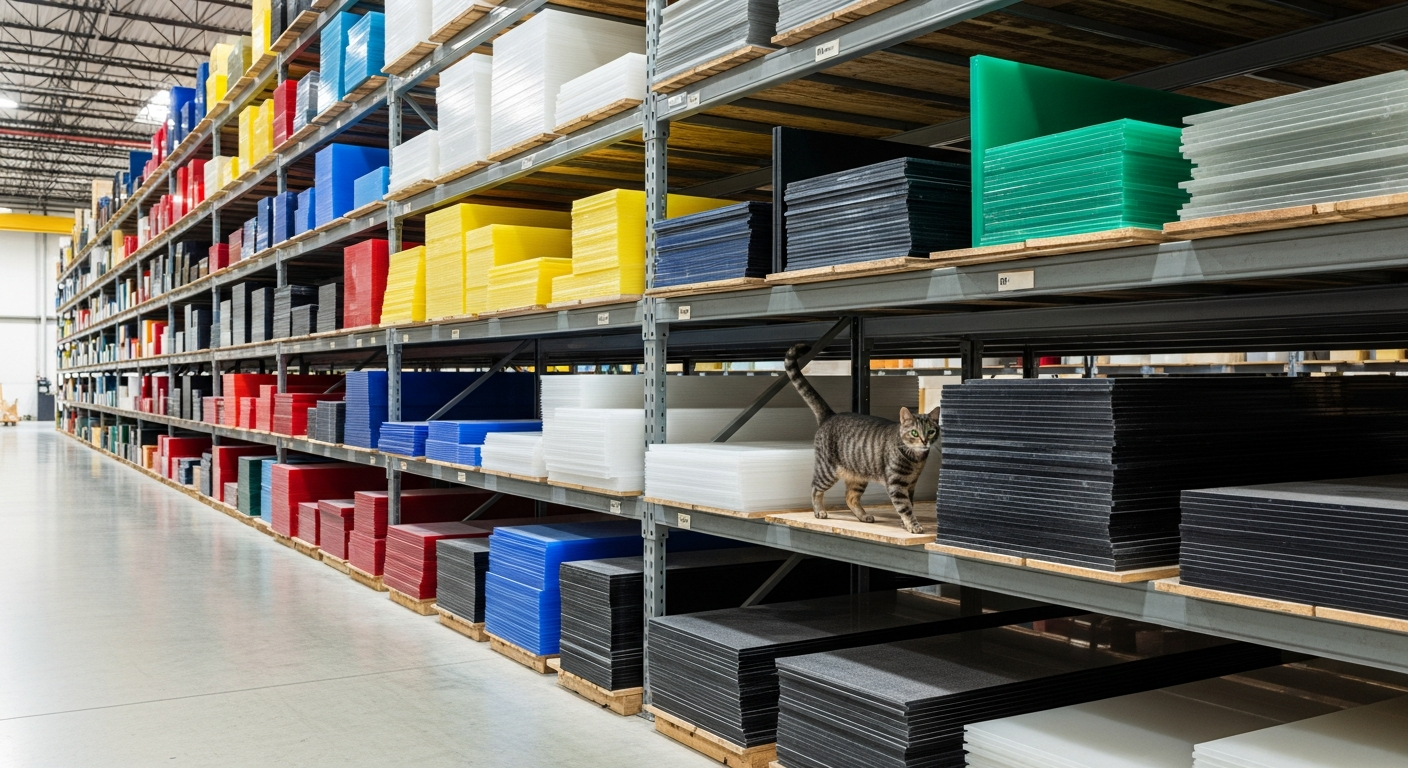
And what about the materials? We’ll dive deeper into this later, but understanding the properties of different materials like acrylic, metal, and wood is essential. Each material has its own pros and cons in terms of durability, cost, and aesthetic appeal. For example, acrylic signage is popular for its versatility and affordability, while metal signage offers a more premium and durable look. Honestly, it's a lot to take in at first.
Finally, think about the message you want to convey. Your signage should clearly communicate what your business is about. Is it a cafe? A salon? A bookstore? Make sure your signage leaves no room for ambiguity. After all, you want to attract the right customers, not confuse them!
Types and Categories of Custom Signage
Okay, now let's talk about the different types of custom signs Malaysia has to offer. I made so many mistakes initially because I didn’t even know what my options were!
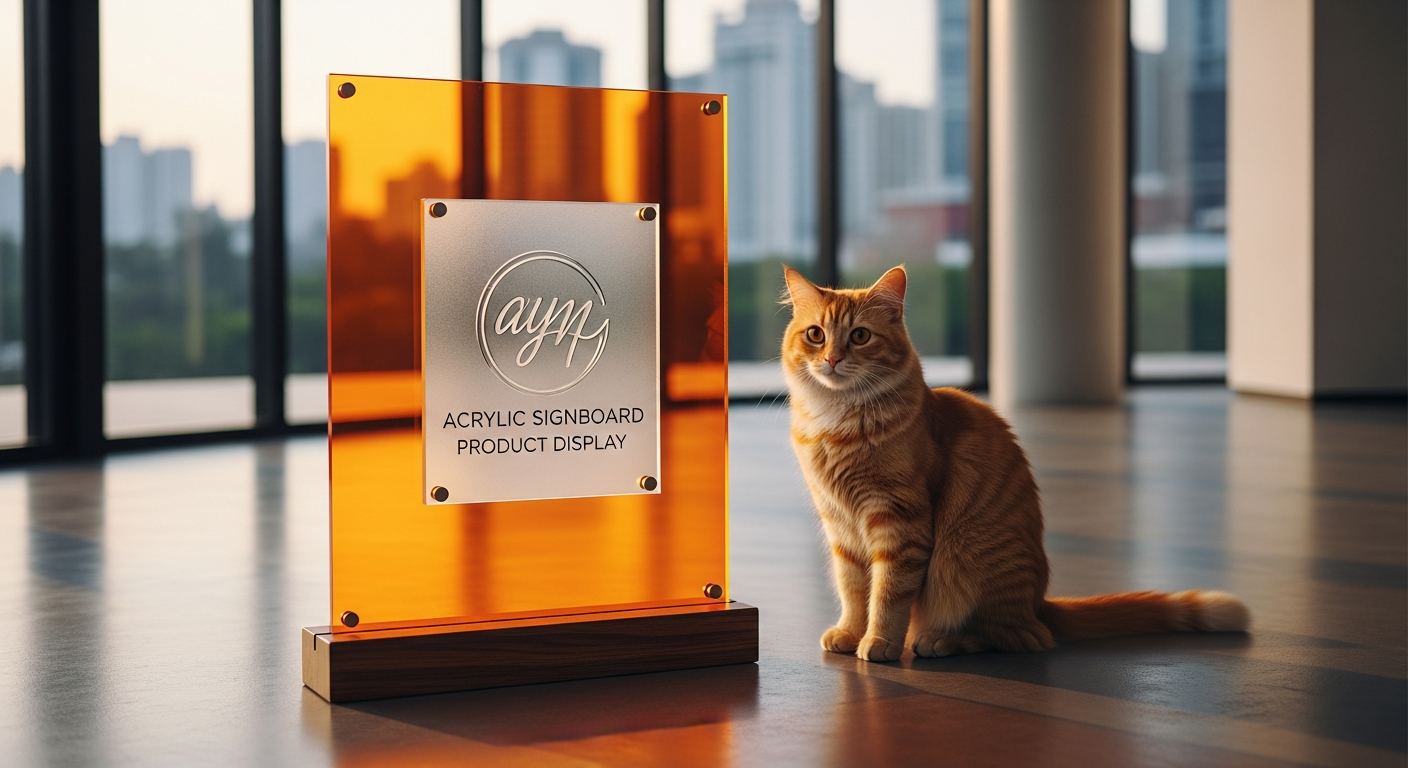
First up, we have the classic signboard. This is your standard, flat sign, typically made from acrylic sheet supplier Malaysia or metal. These are often illuminated with LED lights for better visibility, especially at night. The led signage cost Malaysia varies widely depending on the size, complexity, and type of LEDs used.
Then there are 3D letter signboards. These are more eye-catching and add a touch of sophistication to your business. You can find a 3d letter signboard manufacturer relatively easily in Selangor. The cost will depend on the material (acrylic, metal, or even wood) and the size of the letters.
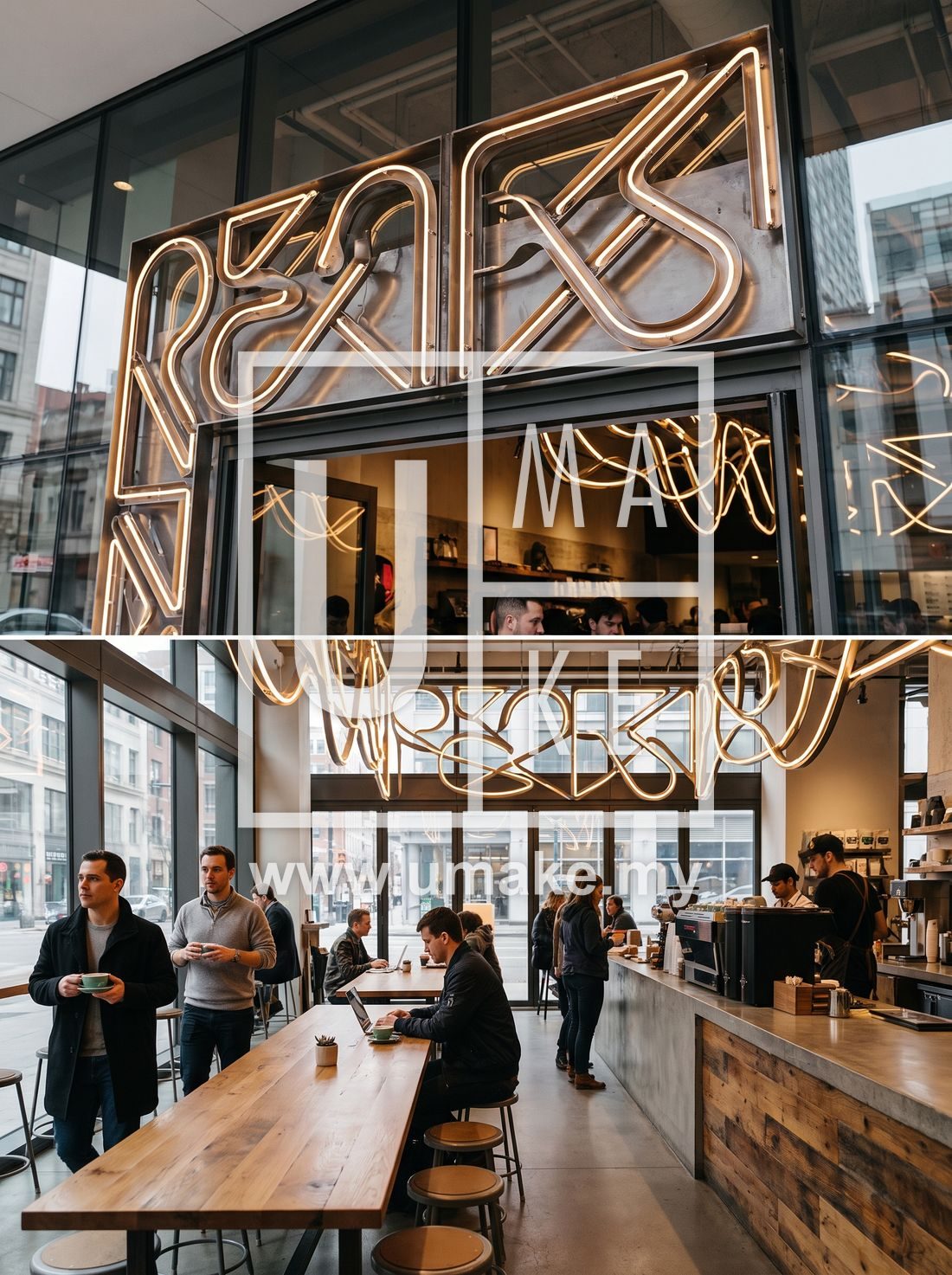
Another popular option is lightboxes. These are illuminated signs with a translucent face that allows light to shine through. They're great for displaying menus, promotions, or any other information you want to highlight. I’ve seen them a lot in Bangsar cafes.
For a more modern and sleek look, consider using laser-cut acrylic. Laser cut acrylic Malaysia offers incredible precision and allows for intricate designs. This is great for smaller signs or for adding decorative elements to your main signage.
Finally, don't forget about wayfinding signage. These are signs that help customers navigate your premises, such as directional signs, restroom signs, and parking signs. While they may not be as glamorous as your main signboard, they're essential for creating a positive customer experience.
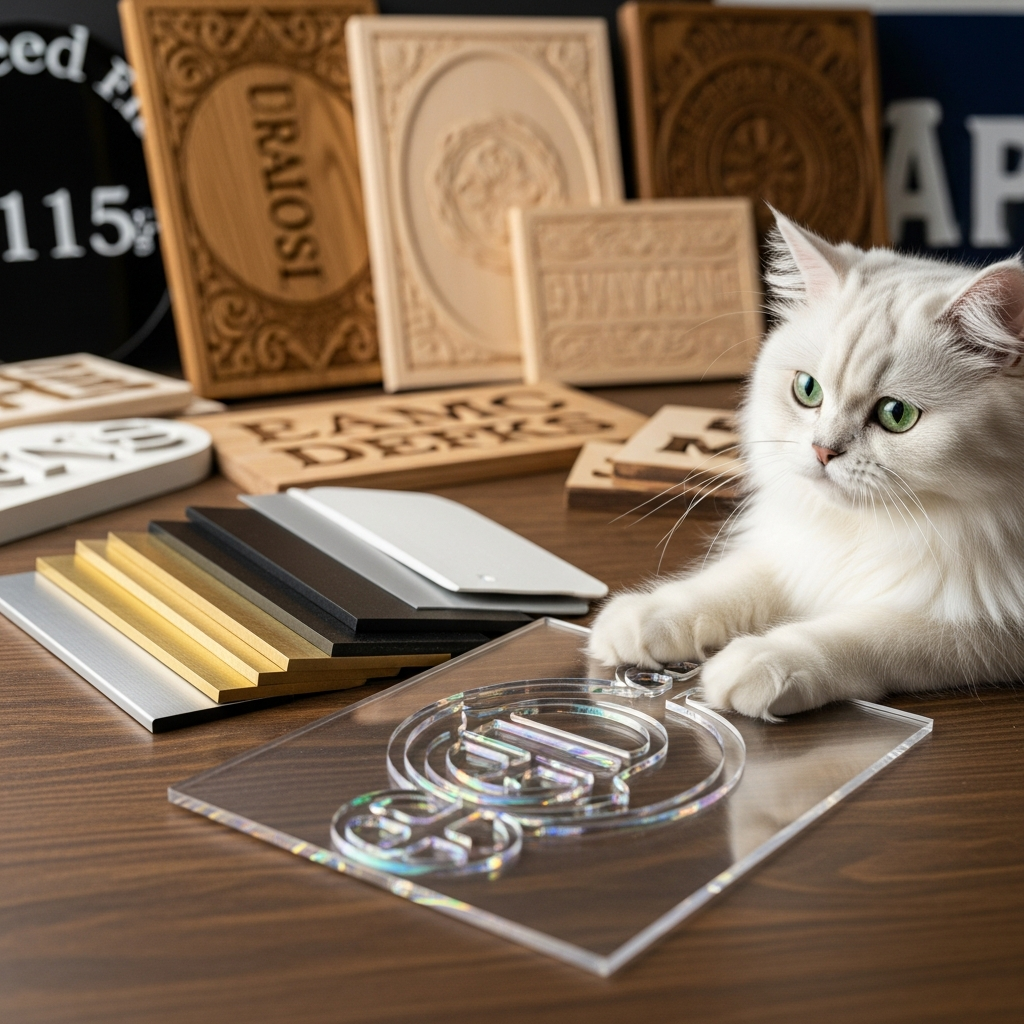
When choosing the right type of signage, consider your budget, your brand image, and the overall aesthetic of your business. There's no one-size-fits-all solution, so take the time to explore your options and find what works best for you.
Key Factors to Consider Before Ordering
Need help with custom signage KL?
Get a free quote from UMAKE — custom signage designed and manufactured in Malaysia.
Before you sign on the dotted line with a signage company Malaysia, there are several key factors to consider. Here's what I wish I knew back then, it would have saved me a lot of money and headaches.
First and foremost, think about your budget. Signage costs can vary widely depending on the materials, size, and complexity of the design. Set a realistic budget and stick to it. It's easy to get carried away with fancy designs and expensive materials, but remember, your signage is an investment, not an expense.
Then there's the issue of design. Your signboard design should be consistent with your brand image and clearly communicate what your business is about. Don't be afraid to get creative, but make sure your design is also functional and easy to read. Consider hiring a professional designer to help you create a design that is both visually appealing and effective.
Material selection is another crucial factor. Acrylic signage is a popular choice for its versatility and affordability, but it may not be the best option for all businesses. Metal signage is more durable and offers a more premium look, but it's also more expensive. Consider the pros and cons of each material and choose the one that best suits your needs and budget.
Don't forget about lighting. Proper lighting can make a huge difference in the visibility of your signage, especially at night. LED lighting is a popular choice for its energy efficiency and long lifespan. However, the led signage cost Malaysia can vary depending on the type of LEDs used and the complexity of the installation.
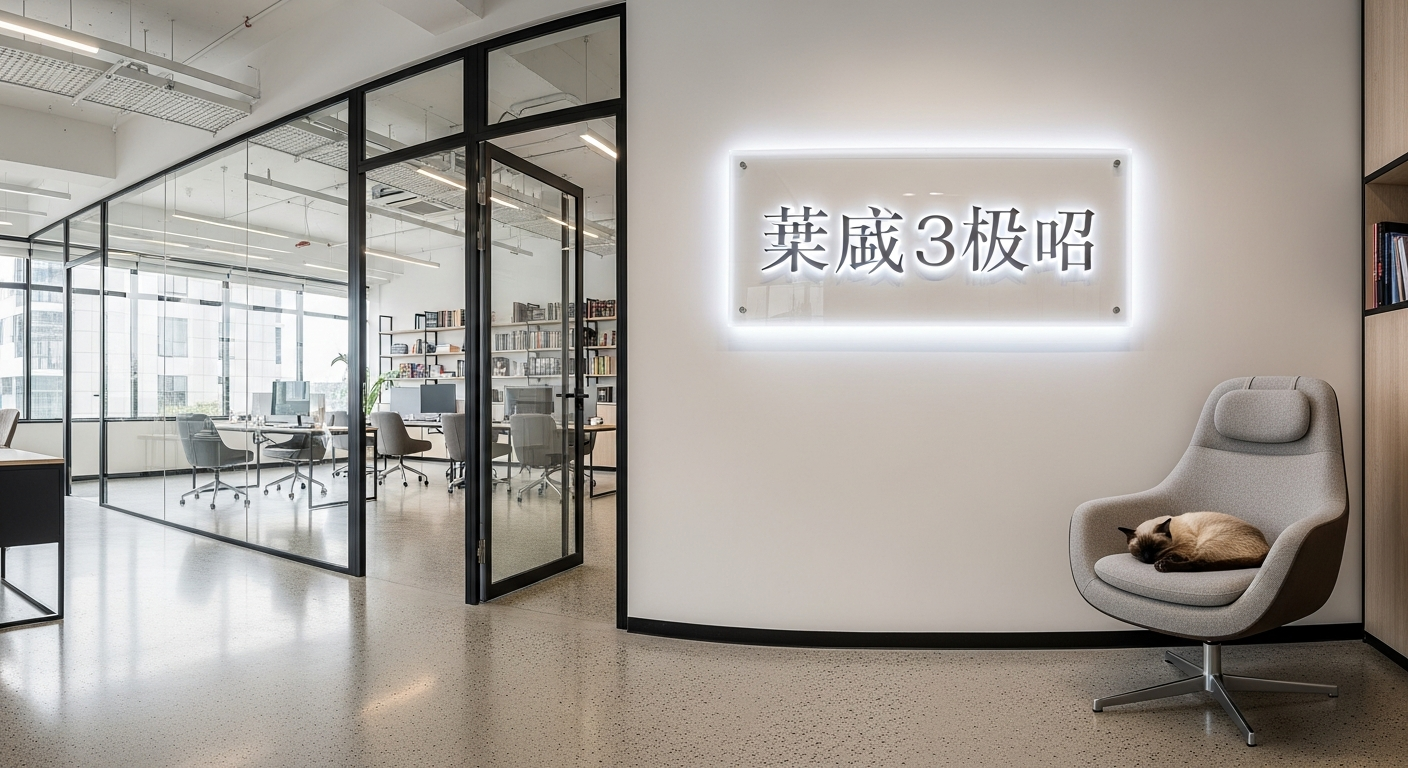
Finally, choose a reputable signboard manufacturer Malaysia. Do your research, read reviews, and ask for references. A good manufacturer will be able to guide you through the entire process, from design to installation, and ensure that you're getting a high-quality product that meets your needs and budget.
Cost Breakdown: What to Expect in RM
Okay, let's talk ringgit and sen. Understanding the signboard price is crucial for any business owner. When I first opened my cafe in PJ, my budget was only RM3,000 but I quickly learned that signage costs can add up fast.
A basic acrylic signboard can cost anywhere from RM500 to RM2,000, depending on the size and complexity of the design. 3D letter signboards typically cost more, ranging from RM1,500 to RM5,000 or more, depending on the material and size of the letters. Lightboxes can range from RM800 to RM3,000, while laser-cut acrylic signs can cost anywhere from RM300 to RM1,000.
LED lighting can add another RM500 to RM2,000 to the overall cost, depending on the type of LEDs used and the complexity of the installation. Installation costs can also vary widely, depending on the size and location of your signage. Expect to pay anywhere from RM200 to RM1,000 for installation.
Don't forget about permits. Permit fees can range from RM100 to RM500, depending on the location and size of your signage. And if you're hiring a designer, expect to pay anywhere from RM500 to RM2,000 for their services.
Here's the thing: it's tempting to cut corners and go with the cheapest option, but remember, your signage is an investment. A high-quality signboard will last longer, look better, and ultimately attract more customers. It's worth spending a bit more to get a product that you're proud of.
Malaysian Market Insights: Navigating the Local Scene
The Malaysian market for custom signage KL is unique, lah! There are a few things you need to know to navigate it successfully.
First, the RM/USD exchange rate can have a significant impact on the cost of materials, especially if you're sourcing from overseas. Keep an eye on the exchange rate and factor it into your budget.
Second, the Malaysian market is very price-sensitive. Customers are always looking for the best deal, so you need to be competitive with your pricing. However, don't sacrifice quality for price. It's better to offer a slightly higher price for a high-quality product than to offer a cheap product that will fall apart in a few months.
Third, the MCO (Movement Control Order) and subsequent lockdowns have had a significant impact on the signage industry. Many businesses have been forced to close down or reduce their operations, which has led to increased competition and lower prices. However, as the economy recovers, demand for signage is expected to increase.
Finally, remember that Malaysia is a multicultural country. Your signage should be sensitive to the cultural norms and values of the local community. Avoid using offensive language or imagery, and make sure your signage is appropriate for all audiences.
Best Practices for Effective Signage
Okay, let's talk about some best practices for effective signage. After 15 installations, I’ve learned a thing or two.
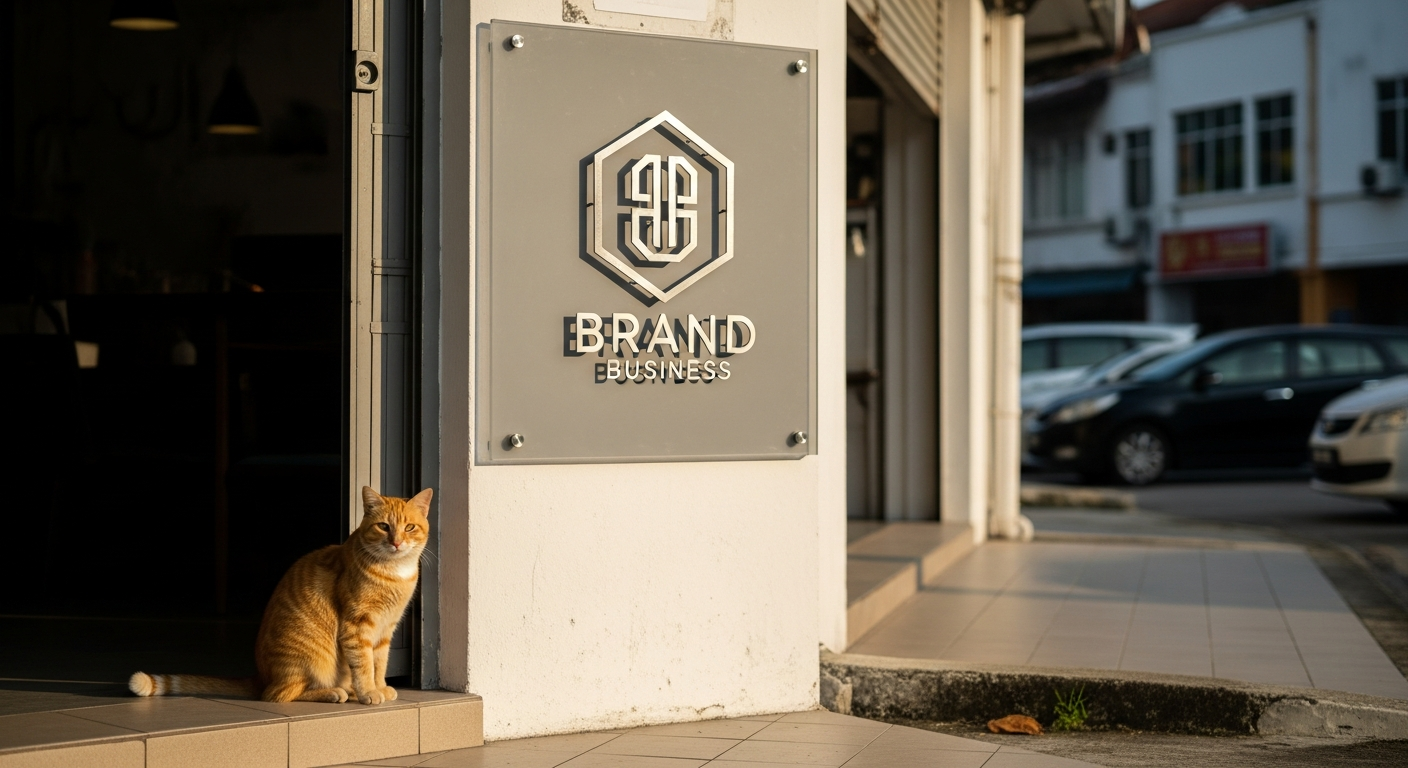
First, keep it simple. Your signage should be easy to read and understand, even from a distance. Avoid using too much text or complicated graphics. Focus on conveying your message clearly and concisely.
Second, use high-quality materials. Your signage is an investment, so it's worth spending a bit more to get a product that will last. Choose durable materials that can withstand the harsh Malaysian weather.
Third, pay attention to lighting. Proper lighting can make a huge difference in the visibility of your signage, especially at night. Use LED lighting for energy efficiency and long lifespan.
Fourth, make sure your signage is consistent with your brand image. Your signage should reflect your brand's overall look and feel. Use consistent colors, fonts, and logos.
Finally, get professional help. Unless you're a designer yourself, it's worth hiring a professional to help you design your signage. A good designer will be able to create a design that is both visually appealing and effective.
Case Study: The Coffee Corner's Signage Transformation
Let me tell you about The Coffee Corner. They were struggling to attract customers, even though they had a great location in Subang. Their existing signage was old, faded, and didn't reflect their brand image.
They decided to invest in new custom signage KL from UMAKE. We worked with them to create a new design that was modern, eye-catching, and consistent with their brand. We used a combination of 3D letter signboards, acrylic signage, and LED lighting to create a signage that stood out from the crowd.
The results were dramatic. Within weeks of installing the new signage, The Coffee Corner saw a significant increase in foot traffic and sales. Customers were drawn to the new signage and were curious to see what the cafe had to offer.
The Coffee Corner's experience is a testament to the power of effective signage. By investing in high-quality business signage, they were able to transform their business and attract more customers.
Common Questions Answered
Alright, let's tackle some frequently asked questions. I know a lot of this can be confusing, so hopefully this clears things up.
Question: How much does custom signage in KL typically cost?
Answer: The cost of custom signage KL can vary widely depending on the size, materials, design, and lighting. A basic acrylic signboard can cost anywhere from RM500 to RM2,000, while more elaborate designs can cost upwards of RM5,000. It's best to get a quote from several suppliers to compare prices.
Question: How long does it take to get custom signage made?
Answer: The turnaround time for custom signs Malaysia can vary depending on the complexity of the design and the workload of the supplier. A simple signboard can typically be made in a few days, while more complex designs can take several weeks. Be sure to discuss the timeline with your supplier before placing your order.
Question: Do I need a permit for my signage?
Answer: Yes, you typically need a permit for your signage in KL. The requirements vary depending on the location and size of your signage. Contact DBKL (Dewan Bandaraya Kuala Lumpur) for more information.
Question: What are the best materials for signage in Malaysia?
Answer: Acrylic, metal, and wood are all popular materials for signage in Malaysia. Acrylic is versatile and affordable, metal is durable and offers a premium look, and wood is eco-friendly and adds a touch of warmth. The best material for you will depend on your budget, brand image, and the overall aesthetic of your business.
Conclusion and Next Steps
So, there you have it – my step-by-step guide to custom signage KL. I hope this has been helpful and that you're now feeling more confident about choosing the right signage for your business. Remember, your signage is an investment, so take the time to do your research and choose a supplier that you trust. Don't anyhow choose, boss!
The truth is, getting your signage right can make all the difference. It's not perfect, but it's a crucial step in building a successful business. If only someone had told me this earlier, I would have saved so much time and money!
Ready to take the next step? Contact UMAKE today for a free consultation and let us help you create a signage that will attract more customers and boost your business visibility. Check out our acrylic signage options here, or our metal signage options here. You can also contact us directly for a quotation.


